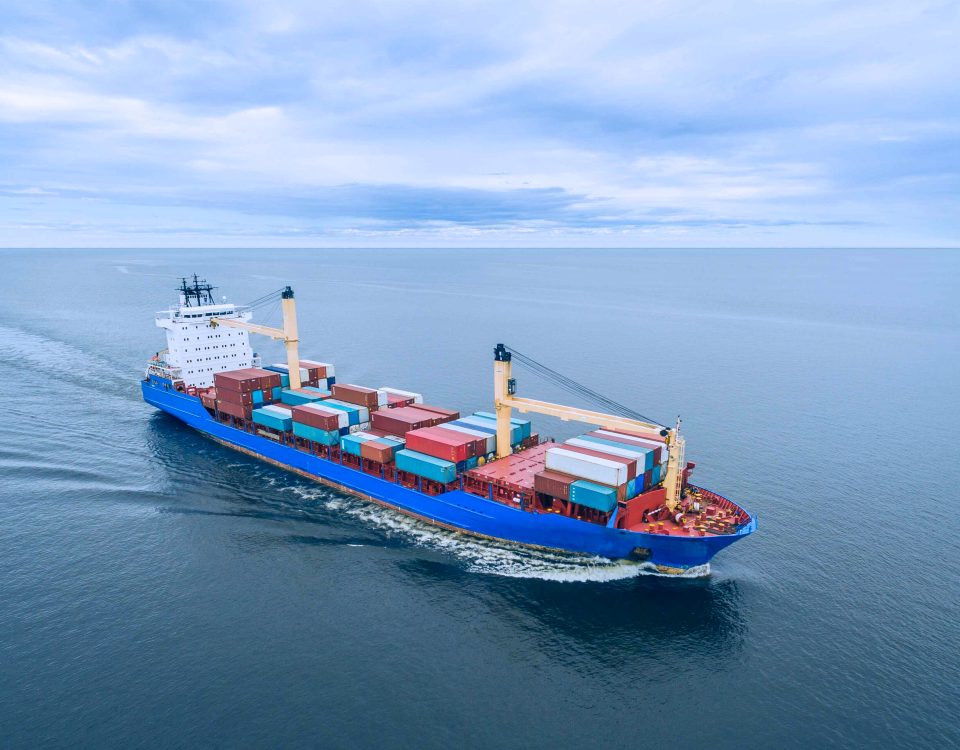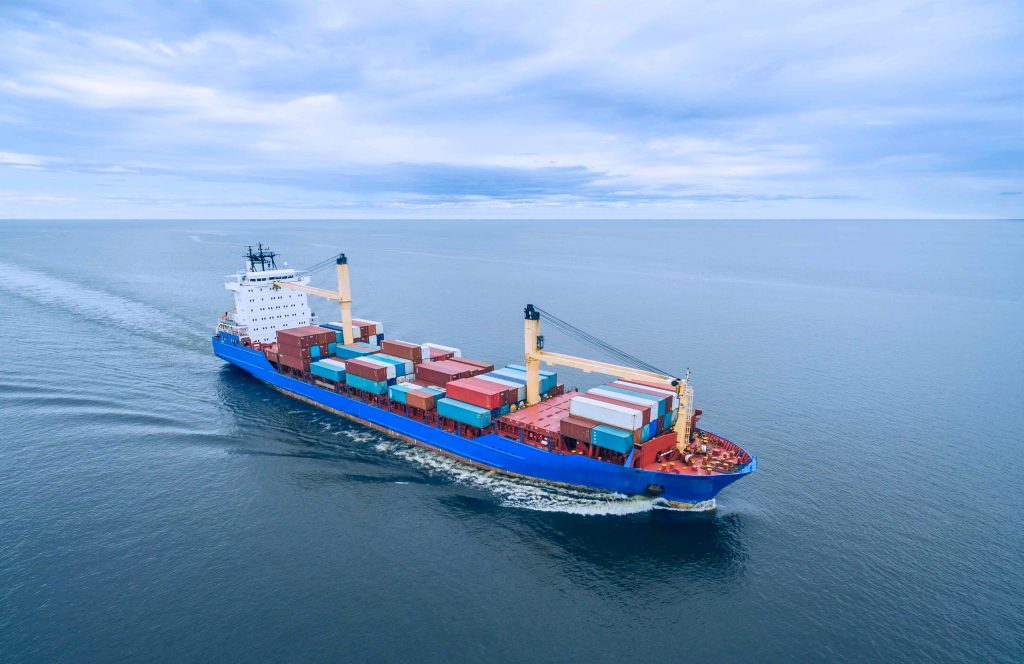
Big Data & Analytics: Powering the Next Wave of Innovation in Commercial Shipping
July 18, 2025


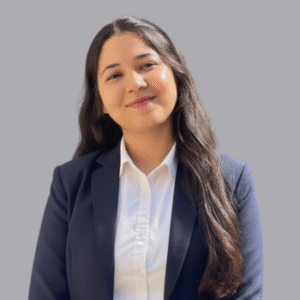
MBA-qualified HR professional with 3+ years of experience in talent acquisition across technical and
non-technical roles. Recognized for fast and efficient hiring, delivering quality candidates within
tight
deadlines. Skilled in candidate evaluation, offer negotiation, and stakeholder management. Brings smooth
communication skills, adaptability, and a proactive, results-driven mindset—consistently aligning
recruitment strategies with business objectives to drive organizational success.
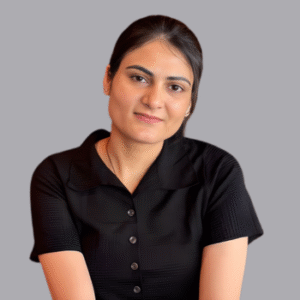
I am a dedicated HR professional with over 5+ years of experience in Human Resource, HR consulting, recruitment, employee lifecycle management, and human capital development. Currently working as a Senior HR Recruiter, I specialize in delivering strategic HR solutions, streamlining operations, and driving organizational growth.
I have managed end-to-end recruitment (IT & Non-IT), onboarding, employee engagement, HRIS management, and performance processes, with hands-on exposure to both corporate and consultancy environments. My internship in CSR further enhanced my understanding of community engagement and employee involvement initiatives.
Holding a Master’s degree in Human Resource and Marketing, I bring a balanced mix of strategic thinking and practical execution across all core HR functions.
Experienced Talent Acquisition Consultant with over 4 years of success in optimising recruitment processes, managing end-to-end hiring workflows, and driving operational efficiency across diverse industries. A certified HRBP professional, proficient in leveraging ATS tools such as Workday and Oorwin for seamless candidate tracking and communication. Skilled in coordinating complex hiring cycles, managing executive search logistics, and delivering data-driven insights to enhance outcomes. A collaborative team player with strong stakeholder management abilities and a proven track record in leading cross-functional teams. Passionate about building scalable talent pipelines, strengthening client relationships, and implementing strategic improvements to align recruitment with business growth objectives.
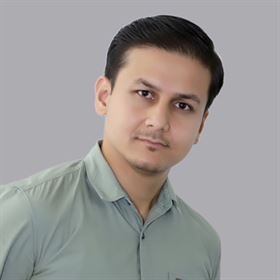
Highly capable, versatile and accomplished IT professional who is confident to make the right decisions as per the situation.
His experience encompasses good knowledge of Cisco, Aruba, D-Link, Sophos, TP-Link devices, Setting up of IT infrastructure from scratch to a secure fort, extensive IT management experience, planning and implementing computer systems and networks.
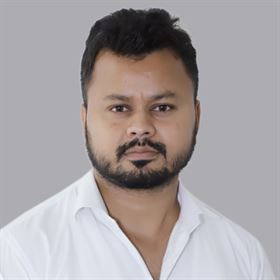
Sujeet is an Ambitious and self-motivated with 7+ years of professional experience In Finance. He has done his B.COM & M.COM from Kumaun university Nainital.
He has been instrumental in Financial accounting /Direct and Indirect taxes/ Payroll and Compliance Management specializing in the IT/ITES sector. He posses excellent research and financial analysis capabilities.
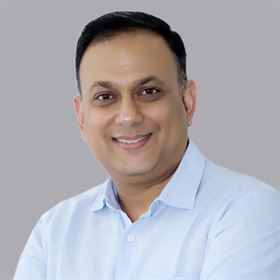
With over 21 years of experience in Business Development, Nitin Gupta spearheads strategic growth at iValuePlus Services Pvt. Ltd. His journey began in the Food & Beverage (F&B) sector, where he built a strong foundation before transitioning his expertise to the IT/ITES and Shipping industries.
At iValuePlus, Nitin focuses on driving global business expansion by identifying new opportunities, building strategic partnerships, and leading cross-functional teams. He plays a pivotal role in strengthening the company’s presence in the Shipping Industry worldwide through the Shipping Support Centre, ensuring operational excellence and value-driven solutions for clients.
His vision is centered on aligning business growth strategies with long-term organizational goals, helping iValuePlus create sustainable impact across industries and geographies.
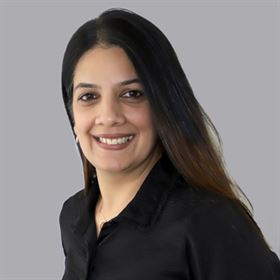
A proactive founder with 25+ years of industry experience and a strong instinct for innovative solutions. A leader and team player, she helps organizations achieve their objectives through new ideas and disciplined execution. Her work spans IT education delivery, instructional design, content management and development, and leading global teams. At iValuePlus, she shapes the vision for India-based Global Capability Centers (GCCs)—from incubation (pre-GCC) to BOT/ODC scale—serving global clients through transparent governance, predictable delivery, and cultural alignment. Her playbook fuses technology and operations via IVPHUB (IVP’s AI-enabled platform) to provide real-time visibility, efficiency, and control. Jayanti sets the tone for values, ethics, and a people-first culture—turning complex goals into clear, repeatable wins.
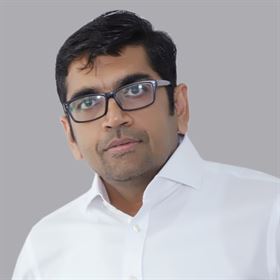
Sumeet is endowed with 28 years of global experience reflecting strong leadership qualities coupled with enormous experience & exposure in IT projects’ planning, execution, management, delivery and production support (onsite, offsite and offshore); across e-Business, Client/Server, Custom Application Development, Enterprise Resource Planning (ERP), Enterprise Content Management, Internet based applications, Business Intelligence, Integration packages and Databases. Eminent leadership expertise with exemplary record in driving management methodologies and disciplines spanning estimation, contracting, project planning, risk management, progress tracking & analysis, report and other related factors Well versed in project management methodologies of Agile, Scrum, Waterfall and delivery technicalities of Onsite, Offsite and Offshore model with expertise in translating complex business opportunities into creative, effective and efficient IT solutions, analyzing the client business needs and requirements: translating new ideas into clients’ solutions including opportunity identification, requirements development, delivery, production support & analysis and documentation.